Tile guide
Bathroom Tile Cost: Floor, Shower, Waste, and Waterproofing Scope
Measure bathroom tile surfaces separately, add waste and box rounding, then keep waterproofing, substrate repair, setting materials, and labor visible.
- By
- EstimatorPad Editorial Team
- Published
- July 28, 2026
- Reading time
- 5 min
Direct answer
Start with the useful estimate.
Bathroom tile cost starts by measuring each surface: floor, shower walls, shower pan, tub surround, niche, curb, and any accent areas. Add waste for cuts and breakage, round up to full boxes, and separate decorative tile from setting materials, waterproofing, substrate repair, demolition, trim, grout, and labor.
Measurement steps
How to measure
- List each tiled surface separately before measuring.
- Measure floor length and width, then subtract fixtures only when they truly reduce tile area.
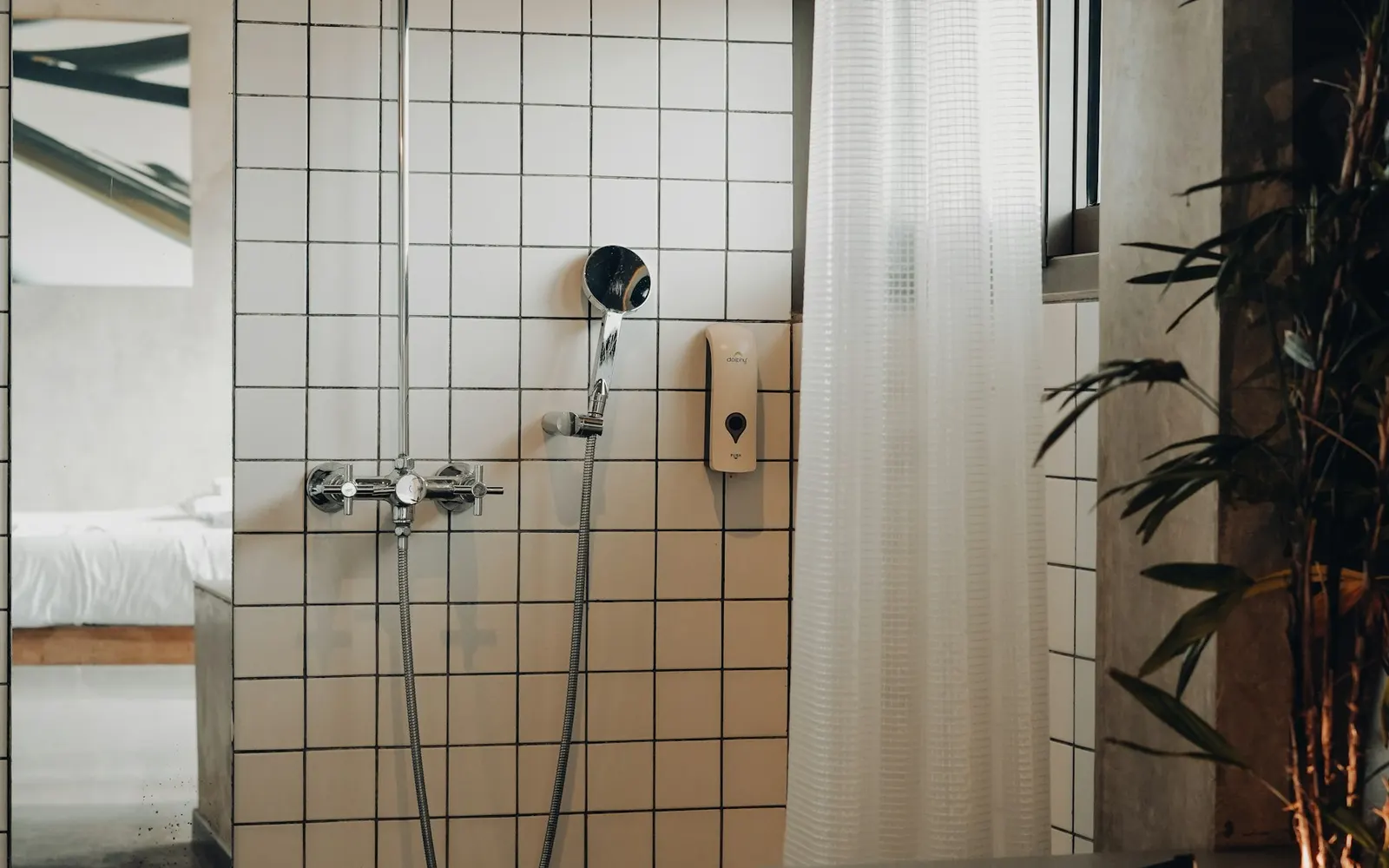
- Measure shower walls by width and height and include niches, benches, curbs, and returns when tiled.
- Keep floor tile, wall tile, mosaics, trim, and accent tile as separate material lines when package coverage differs.
- Add waste based on pattern complexity, cuts, breakage, and the need for spare matching tiles.
- Use the square footage calculator for each rectangular surface, then round tile orders by box coverage.
Formula explanation
The formulas to use
Floor_area = floor_length x floor_width
Wall_tile_area = sum(wall_width x tile_height)
Shower_wall_area = sum(shower_wall_width x shower_height)
Purchase_area = tiled_area x (1 + waste_percent)
Boxes = ceiling(purchase_area / box_coverage_sq_ft)
Planning_cost = tile + setting_materials + waterproofing + substrate + labor + trim
Use with this article
Square Footage Calculator
Enter the article's measurements and assumptions to check the rounded planning estimate.
Open calculatorProject cluster
Interior planning pages
Open the full hub when you need the matching calculator, sibling guides, and related material estimates in one place.
Worked example
5x8 bathroom footprint with a 3x5 tiled shower
- 1Bathroom footprint = 5 x 8 = 40 square feet.
- 2The 3 x 5 shower occupies 15 square feet, so subtract that footprint from the main bathroom floor when it is inside the 5x8 room.
- 3If the shower pan is tiled, add its 15 square feet back as a separate surface; the combined horizontal tiled area remains 40 square feet.
- 4Three shower walls with widths of 3, 5, and 3 feet at 7 feet high add (3 + 5 + 3) x 7 = 77 square feet.
- 5Total tiled area = 40 + 77 = 117 square feet before waste when the shower pan is tiled.
- 6With 15 percent waste, purchase area = 134.55 square feet.
If one tile product covers all 117 square feet and each box covers 15 square feet, 134.55 / 15 = 8.97, so the order rounds to 9 boxes. If the floor, shower pan, or walls use different products, calculate waste and box rounding for each material separately.
Use the square footage calculator for each floor or wall surface, then divide by the coverage printed on the tile box and round up.
Bathroom tile is several surfaces, not one room
A bathroom tile estimate can include the floor, shower walls, tub surround, shower pan, niche, bench, curb, backsplash, and accent bands. Each surface may use a different tile, pattern, trim, or waste allowance. Combining everything into one square-foot number too early can hide the real order.
Start with a list of surfaces. Measure each one, then decide which material belongs to each area. This prevents a floor-tile box coverage number from being used for wall mosaics or shower trim.
bathroom floor
Measure shower planes, niches, curbs, and trim separately.
Waste and box rounding affect the order
Tile is usually purchased by the piece, sheet, or box. Once you know the tiled area, add waste for cuts, breakage, pattern matching, and spare pieces. Then divide by box coverage and round up. The store may not sell partial boxes.
Waste is not the same for every layout. A straight rectangular floor may need less allowance than a shower with niches, plumbing penetrations, benches, and diagonal cuts. Keep the percentage visible so it can be changed before purchase.
Tile is not the whole waterproofing system
In wet areas, decorative tile is only the visible finish. Waterproofing, substrate, drains, seams, corners, penetrations, and manufacturer-approved installation methods matter. Grout and tile alone should not be treated as the waterproofing plan.
If the project includes a shower, ask what membrane, backer board, pan, drain, sealant, and flood-test or inspection steps are included. This guide can estimate tile quantity, but it cannot approve a wet-area assembly.
What may be excluded from a bathroom tile quote
A tile quote may or may not include demolition, disposal, substrate repair, leveling, waterproofing, backer board, underlayment, setting materials, grout, caulk, trim, thresholds, fixtures, plumbing, glass, and cleanup. These exclusions matter more in bathrooms than in many dry-floor projects.
Ask each quote to list the tiled surfaces, tile product, setting system, waterproofing system, layout pattern, waste, and included repairs. That makes small bathrooms easier to compare fairly.
Bathroom tile surface example
| Surface | Example measurement | Area | Order note |
|---|---|---|---|
| Floor | 5 ft x 8 ft | 40 sq ft | May use floor-rated tile |
| Shower walls | (3 + 5 + 3) ft x 7 ft | 77 sq ft | Include niches and returns |
| Combined before waste | Floor + shower walls | 117 sq ft | Add waste before box rounding |
Ordering margin
Waste and ordering margin
- Use more waste for diagonal layouts, herringbone, small mosaics, niches, benches, curbs, and many plumbing penetrations.
- Buy enough from the same product run when matching color and finish matters.
- Do not assume grout, caulk, cement board, membranes, and trim are included in the tile box coverage.
- Keep waterproofing and substrate repair separate in wet areas.
- A small bathroom can have high labor cost because cutting and layout time do not shrink as quickly as square footage.
Avoid these
Common mistakes
- Measuring only the bathroom floor when the shower walls are also tiled.
- Treating tile and grout as the waterproofing system.
- Using one waste percentage for both a simple floor and a shower with niches.
- Forgetting box rounding and spare replacement pieces.
- Comparing a tile-only material estimate with a full installed bathroom quote.
Project checklist
Before you use the result
- List every tiled surface.
- Measure each surface separately.
- Separate floor tile, wall tile, mosaics, trim, and accents.
- Add waste based on cuts and pattern complexity.
- Round to full boxes or sheets using product coverage.
- Confirm waterproofing and substrate scope in wet areas.
- Compare tile-only, material-only, and installed quotes carefully.
Estimate disclaimer
Verify before buying or building.
This guide estimates bathroom tile quantity and cost scope. Verify product coverage, substrate condition, waterproofing system, layout, local code, and installer instructions before purchasing or installing tile.
FAQ
Common questions
01How do I measure bathroom tile cost?+
Measure each tiled surface, add waste, round to full boxes, and then add setting materials, waterproofing, substrate work, and labor separately.
02How much extra tile should I order for a bathroom?+
It depends on layout and cuts. A simple floor may need less than a shower with niches, benches, curbs, or diagonal patterns. Keep the waste percentage visible and verify with the installer or supplier.
03Is bathroom tile waterproof?+
Tile is the visible finish. Wet areas need an appropriate water-management system behind or under the tile, based on product and installation instructions.